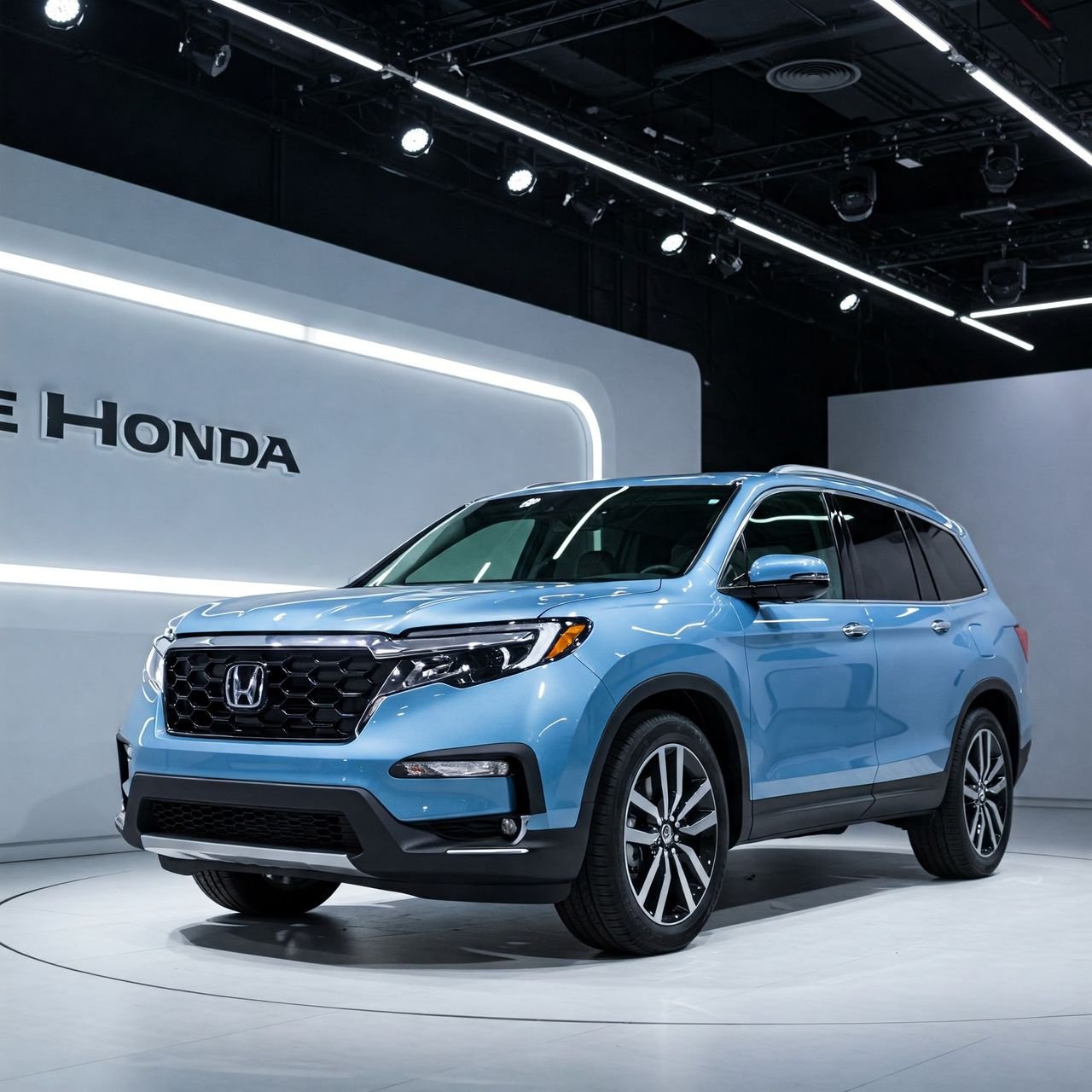
Buying a car is one of those decisions that sits somewhere between exciting and overwhelming. You’ve probably spent weeks, maybe months, comparing models, reading reviews, and watching YouTube walkthroughs of the Civic versus the Accord versus whatever else caught your eye. But here’s the thing nobody talks about enough: the dealership you choose matters almost as much as the car itself. A great vehicle from a mediocre dealer can turn into a frustrating ownership experience, while the right dealer can make even a routine purchase feel smooth and stress-free.
Why the Dealership Choice Actually Matters
Most people assume that a Honda is a Honda no matter where you buy it — and mechanically, that’s true. The Civic you buy in one city is built to the same standards as one three states away. But the experience surrounding that purchase? That varies wildly. Pricing structures, financing options, trade-in valuations, after-sales service, and even how honestly a salesperson explains the fine print — all of this depends entirely on the specific dealership you walk into.
Some dealers build their reputation on transparency and long-term customer relationships. Others focus purely on moving inventory as fast as possible. Neither approach is inherently wrong, but knowing which one you’re dealing with before you sign anything can save you a lot of headaches down the road.
What to Look for Before You Walk In
Before visiting any showroom, it helps to do a bit of homework. Check online reviews, not just the star rating but the actual comments. Look for patterns — are people consistently mentioning pushy sales tactics, or hidden fees that appeared at signing? Or do reviews talk about a smooth, no-surprises process?
It’s also worth checking whether the dealership is an authorized service center, since that affects your warranty coverage and access to genuine parts later on. A dealer with an in-house service department staffed by factory-trained technicians tends to offer a more reliable long-term relationship than one that’s purely sales-focused.
Another often-overlooked factor is inventory depth. A dealer with a wide range of trims, colors, and configurations gives you more room to negotiate and more likely you’ll drive away with exactly what you wanted, rather than settling for whatever happens to be sitting on the lot.
The Test Drive Is More Than a Formality
Too many buyers treat the test drive as a box to check rather than a genuine evaluation tool. Take your time. Drive on the highway if possible, not just around the block. Test the infotainment system, check how the seats feel after twenty minutes, and pay attention to road noise. A good dealership won’t rush you through this step — if anything, they’ll encourage you to take as long as you need.
This is also a good moment to gauge how the sales staff communicates. Are they answering your questions directly, or dodging around pricing details? Are they pressuring you to decide today, or giving you space to think it over? These small interactions often predict how the rest of the relationship — financing, paperwork, and future service visits — will go.
Financing and Negotiation
Walking in with pre-approved financing from your bank or credit union gives you leverage, even if you ultimately decide to finance through the dealership. It lets you compare their offer against a real benchmark instead of taking their word for it. Don’t be afraid to ask for the out-the-door price broken down line by line — taxes, registration, documentation fees, add-ons. A trustworthy dealer will walk you through this without hesitation.
Trade-ins are another area where research pays off. Get an independent valuation from an online tool before you arrive, so you have a realistic number in mind rather than relying solely on the dealer’s appraisal.

After the Sale: Service and Support
The relationship with your dealership doesn’t end once you drive off the lot — arguably, that’s when it really begins. Regular maintenance, warranty claims, recalls, and general troubleshooting all run through this connection. A dealership known for responsive, honest service can make ownership genuinely enjoyable for years, while a poor one can turn even minor issues into drawn-out frustrations.
Ask about loaner vehicles, service appointment wait times, and whether they offer any complimentary maintenance packages with a new purchase. These details rarely come up during the sales pitch but matter enormously once you’re a few thousand miles into ownership.
Making the Final Decision
At the end of the day, choosing where to buy is about matching your priorities — price, convenience, trust, and long-term support — with a dealership that genuinely delivers on them. Don’t rush this step just because you’re excited about the car itself. Visit more than one location if you can, compare not just prices but how each place makes you feel as a customer.
A reliable Honda dealer should feel less like a sales counter and more like a long-term partner in your car ownership journey — someone who’s there not just for the initial paperwork, but for the oil changes, the recalls, and the eventual trade-in conversation years down the line.
Ultimately, the right choice comes down to research, patience, and trusting your instincts during those first few interactions. If a dealership makes you feel informed rather than pressured, that’s usually a strong sign you’ve found the right place to do business.
Whether you’re buying a new vehicle or a used one, the very first step should always be finding a reliable Honda dealer in your area — one that not only offers competitive pricing but also stands behind you long after the sale is done. A good Honda dealer isn’t just focused on selling cars; they genuinely care about your service needs, warranty support, and future requirements, which makes the entire ownership experience far smoother and more rewarding.
Ultimately, the right choice comes down to research, patience, and trusting your instincts during those first few interactions. If a dealership makes you feel informed rather than pressured, that’s usually a strong sign you’ve found the right place to do business.