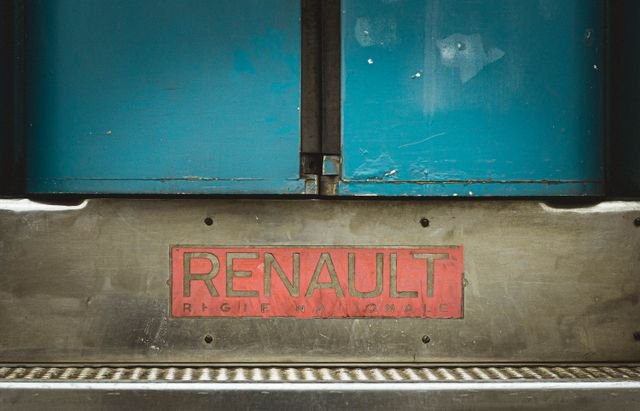
The automotive world has changed more in the last decade than it did in the previous fifty years combined, and few companies illustrate that shift as clearly as Renault Group. What began as a small French engineering venture over a century ago has evolved into one of the most influential multinational automotive manufacturers on the planet, shaping everything from affordable city cars to cutting-edge electric vehicles. Understanding Renault Group today means understanding not just a car company, but a business constantly reinventing itself to stay relevant in an industry undergoing seismic transformation.
A Legacy Built on Engineering and Ambition
Renault’s story didn’t start with grand ambitions of global dominance — it started with a simple idea and a lot of determination. Over the decades, that modest beginning grew into a sprawling international operation with manufacturing plants, research centers, and sales networks spanning continents. What’s remarkable is how the company managed to maintain its French engineering identity while simultaneously adapting to dozens of different markets, each with its own regulations, consumer preferences, and economic conditions.
This balancing act — staying true to a core identity while remaining flexible enough to compete globally — is part of what has allowed Renault Group to survive industry downturns, fuel crises, and shifting consumer tastes that have wiped out lesser-prepared competitors along the way.
More Than Just One Brand
A common misconception is that Renault Group refers to a single car brand. In reality, it operates as an umbrella organization encompassing multiple brands, each targeting different market segments and customer needs. This multi-brand strategy allows the group to compete across a wide spectrum — from budget-conscious buyers looking for practical, affordable transportation to those seeking more premium features and performance.
This structure gives the group flexibility that a single-brand competitor simply doesn’t have. If one segment of the market softens, another brand within the group might be thriving, which helps balance overall performance and reduces dependency on any single customer base.
The Shift Toward Electrification
Perhaps nowhere is Renault Group’s adaptability more visible than in its approach to electric vehicles. Long before EVs became a mainstream talking point, the group was already investing heavily in electric technology, recognizing early that the industry’s future would not be defined by internal combustion engines alone.
This early investment has paid dividends in terms of technical expertise and market positioning. While many legacy automakers scrambled to catch up once electric vehicles gained real traction, Renault Group had already built infrastructure, battery partnerships, and engineering know-how that gave it a head start. This doesn’t mean the transition has been without challenges — battery costs, charging infrastructure gaps, and shifting government incentives all create ongoing complexity — but the group’s proactive approach has positioned it more favorably than many of its peers.
Global Partnerships and Alliances
No modern automaker survives purely on its own resources anymore, and Renault Group is no exception. Strategic alliances with other manufacturers have played a crucial role in sharing research and development costs, pooling technology, and expanding into markets that would otherwise be difficult to penetrate independently.
These partnerships aren’t just about cutting costs — they represent a broader industry trend where even massive corporations recognize that collaboration, rather than pure competition, often produces better outcomes for everyone involved, including the end consumer who benefits from more advanced, better-tested technology arriving in showrooms faster.

Manufacturing Philosophy and Sustainability
Modern automotive manufacturing isn’t just about assembling parts efficiently — it’s increasingly about sustainability, worker conditions, and environmental impact. Renault Group has made public commitments toward reducing its carbon footprint across its manufacturing facilities, aiming for more sustainable production methods that align with tightening global environmental regulations.
This shift affects everything from how factories source raw materials to how vehicles are designed for eventual recyclability. It’s a slow, expensive transition, but one that reflects broader pressure across the entire automotive sector to operate more responsibly, both for regulatory compliance and to meet the expectations of an increasingly environmentally conscious customer base.
Navigating Economic Uncertainty
Like every major automaker, Renault Group hasn’t been immune to global economic pressures — supply chain disruptions, semiconductor shortages, fluctuating raw material costs, and shifting consumer spending habits have all created challenges in recent years. How a company responds to these pressures often reveals more about its long-term viability than how it performs during good times.
Renault Group’s response has generally involved diversifying supply chains, investing in domestic production where feasible, and restructuring certain operations to remain financially resilient. These aren’t glamorous headline-grabbing decisions, but they’re the kind of unglamorous, behind-the-scenes choices that determine whether a company thrives or struggles a decade from now.
What the Future Might Hold
Looking ahead, the trajectory for Renault Group appears closely tied to how successfully it can continue balancing tradition with innovation. The push toward electrification will likely intensify, partnerships may deepen or shift depending on market conditions, and consumer expectations around technology, connectivity, and sustainability will keep raising the bar. Companies that can’t keep pace with these expectations risk becoming irrelevant, while those like Renault Group, which have shown a consistent willingness to adapt, are generally better positioned to remain competitive.
Final Thoughts
Renault Group’s story is really a story about adaptation — a company that has survived over a century of change by refusing to stay static. From its early engineering roots to its current push into electrification and sustainable manufacturing, the group continues to demonstrate that longevity in the automotive industry isn’t about clinging to what worked in the past, but about constantly preparing for what comes next.